
Let’s build the future of sustainable data together.

Let’s build the future of sustainable data together.

Investors searching for how to invest in GPU data centers are responding to a structural shift in infrastructure demand. AI workloads require dense compute, reliable power, and fast deployment. Traditional data center development struggles to meet these constraints. High density GPU data centers offer a more direct path to revenue tied to compute demand.
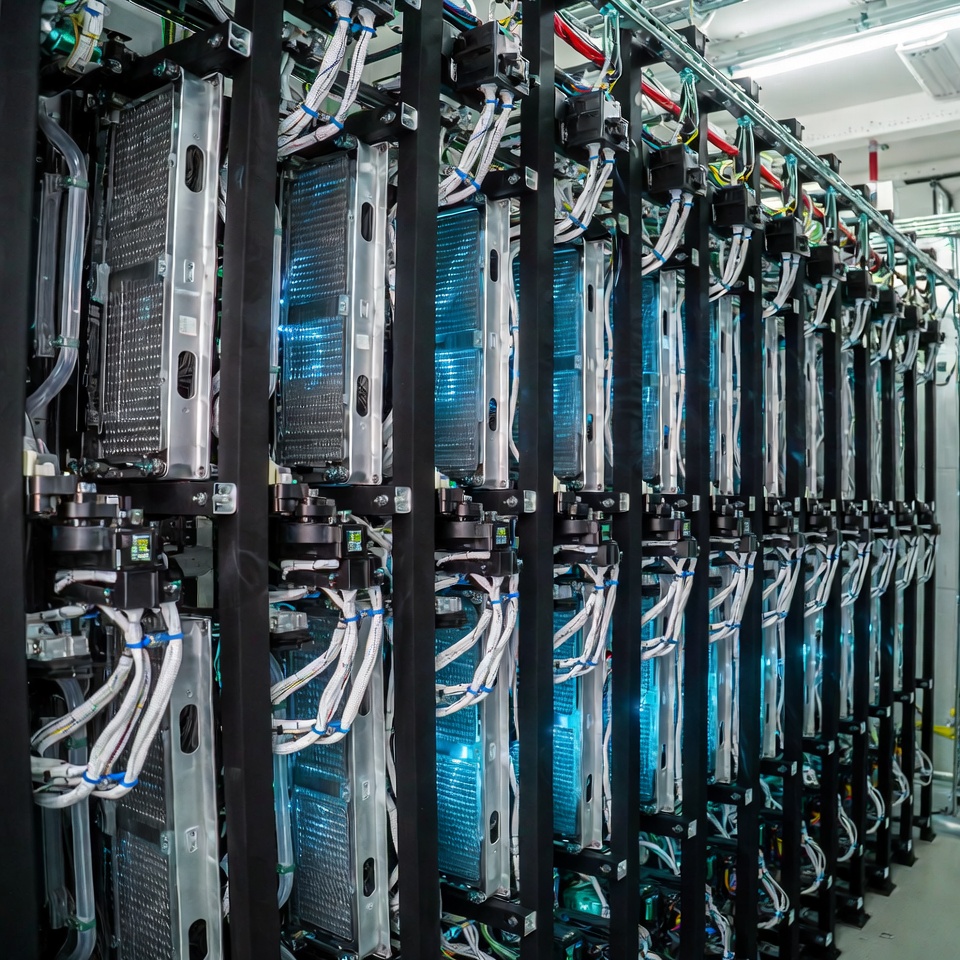
GPU focused infrastructure aligns capital with AI growth rather than real estate appreciation. Returns depend on utilization, power economics, and speed to market.
High density GPU data center investments center on infrastructure built for modern accelerators. These facilities prioritize power density, thermal performance, and network throughput. Modular deployment shortens development timelines and reduces exposure to long permitting cycles.
Investors gain access to compute driven revenue without waiting years for grid upgrades or speculative lease up.
Modular GPU data centers use pre engineered, containerized systems. Units arrive integrated with power, cooling, and security. This approach compresses build timelines and supports phased capital deployment.
Faster commissioning leads to earlier revenue. Capital aligns with contracted demand rather than forecasted growth.
AI training, inference, and analytics continue to drive sustained GPU demand. Enterprises and AI operators seek dedicated infrastructure rather than shared cloud capacity. This supports long duration contracts and high utilization.
High density GPU data center investment targets workloads such as model training, fine tuning, inference pipelines, and large scale analytics.
These environments are purpose-built for:
GPU hosting investment converts physical infrastructure into digital revenue. Sites monetize compute capacity through long term usage agreements instead of relying on power resale.
Common structures include compute purchase agreements, dedicated GPU hosting contracts, and capacity leasing to AI platforms. Revenue ties directly to workload demand.
Common revenue models include:
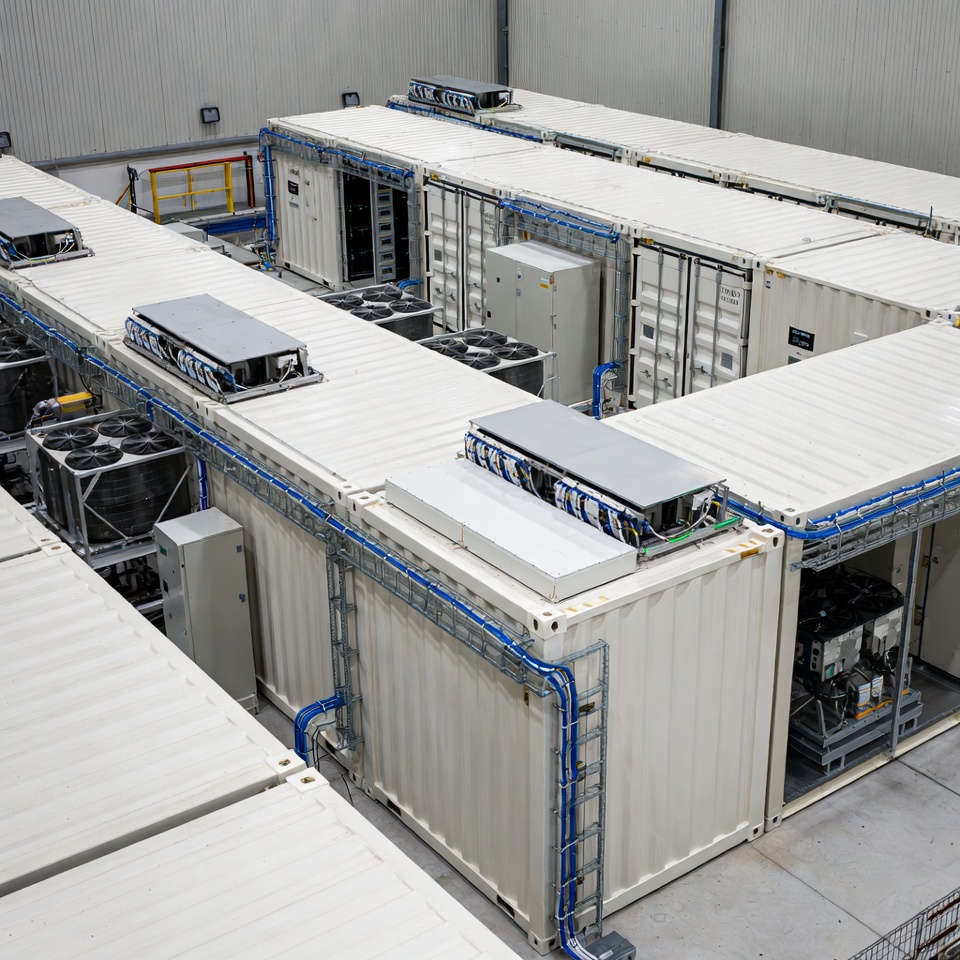
Containerized data center investment reduces execution risk. Systems deploy in months rather than years. Sites scale incrementally as demand grows.
Key advantages include lower construction exposure, faster time to revenue, and flexible siting near energy sources or compute demand.
Key advantages include:
Investors evaluating whether investing in GPU data centers is profitable focus on utilization and contract structure. Profitability improves with sustained GPU demand, premium pricing for dense clusters, and stable energy costs.
Returns track utilization rates, power economics, and long term compute agreements.
Returns are influenced by:
Portable GPU data centers generate revenue by selling compute services rather than electricity. Infrastructure converts energy into processing capacity consumed by AI workloads.
This structure supports faster ROI, site flexibility, and reduced reliance on grid interconnection timelines.

Flux Core Data Systems enables investors to participate in GPU data center investments without managing day to day operations. The platform delivers modular, renewable powered infrastructure engineered for high density GPU clusters and scalable deployment.
Capital aligns with compute demand, deployment discipline, and long term performance.
A Disciplined Path to AI Infrastructure Returns
GPU data centers represent a direct way to invest in AI infrastructure. Modular deployment, hosting revenue, and scalable design support controlled risk and predictable performance.
Request an investment briefing on GPU data center opportunities aligned with your portfolio strategy.
Revenue comes from contracted compute usage through GPU hosting and compute purchase agreements.
Yes. Profitability is driven by sustained AI demand, high GPU utilization, and long-term compute contracts rather than power resale.
Shorter timelines and phased deployment reduce exposure to permitting and grid delays.
Power availability, deployment speed, utilization assumptions, and contract duration.
They monetize compute capacity through GPU hosting agreements and compute purchase agreements tied to real workloads.