
Let’s build the future of sustainable data together.

Let’s build the future of sustainable data together.

Land for data center development has shifted into a high-value infrastructure asset classas AI workloads, GPU clusters, and distributed computedrive demand for new infrastructure. Unlike traditional commercial real estate, data center site leasing focuses on power access, zoning flexibility, environmental risk profile, and long-term stability rather than foot traffic or proximity to cities.
For landowners, this shift creates an opportunity to monetize land with data center projects through long-term, infrastructure-backed leases tied to digital demand rather than local economic cycles. Flux Core Data Systems works directly with landowners to evaluate site suitability, structure leases, and deploy modular, renewable-powered data center infrastructuredesigned for AI and high-performance computing workloads.
Land leasing for data centers uses long-term agreements where the operator designs, builds, and operates the facility, while the landowner retains ownership and receives predictable, multi-year lease income with minimal involvement operational involvement.
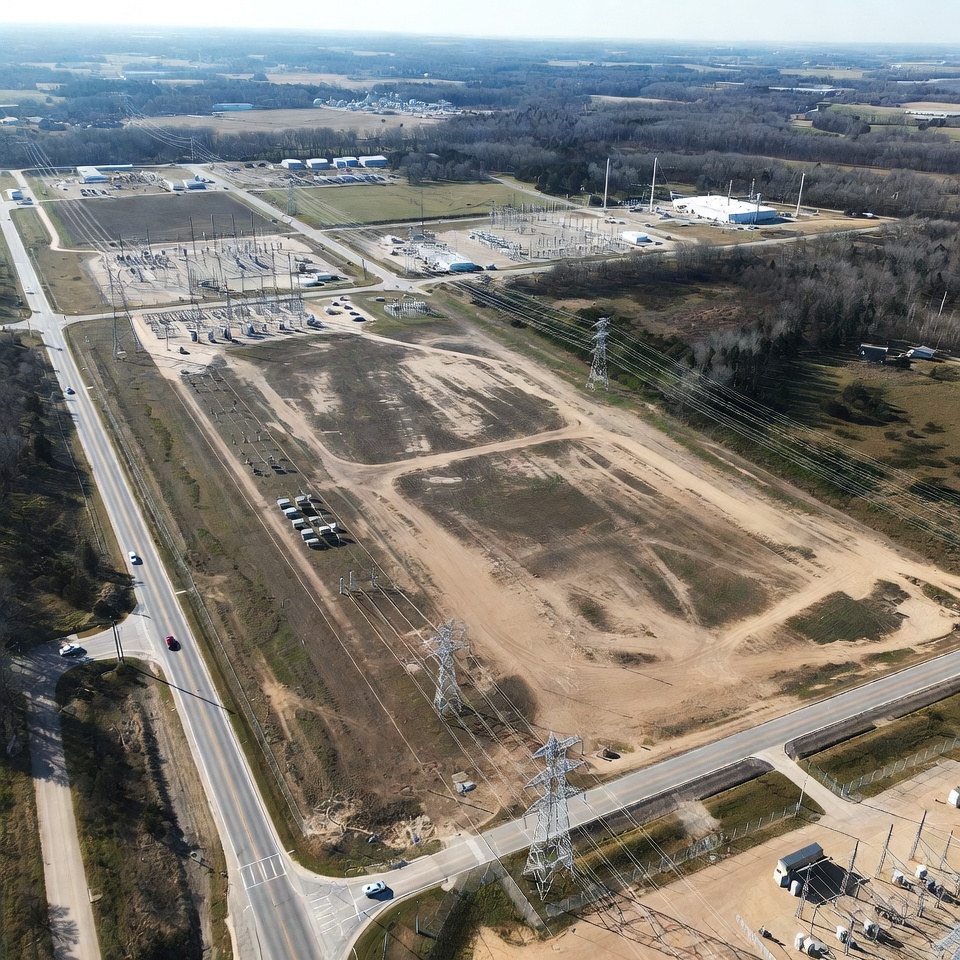
What kind of land is needed for data centers depends on power availability, zoning, and site access rather than population density or urban adjacency. Many modern deploymentsdue to lower acquisition costs, fewer permitting constraints, and flexible site layouts.
Key site characteristics include:
The amount of land required for a data center depends on its design and workload density. Modular and containerized deployments typically require less acreage than traditional hyperscale campuses while supporting high-density compute workloads.
Typical considerations include:
Rural land for data center development is increasingly preferred for AI infrastructure because it supports power independence, scalable layouts, and renewable-powered designs. Off-grid and renewable-powered models reduce reliance on congested utilities while supporting continuous GPU-intensive workloads.
Benefits for landowners include:
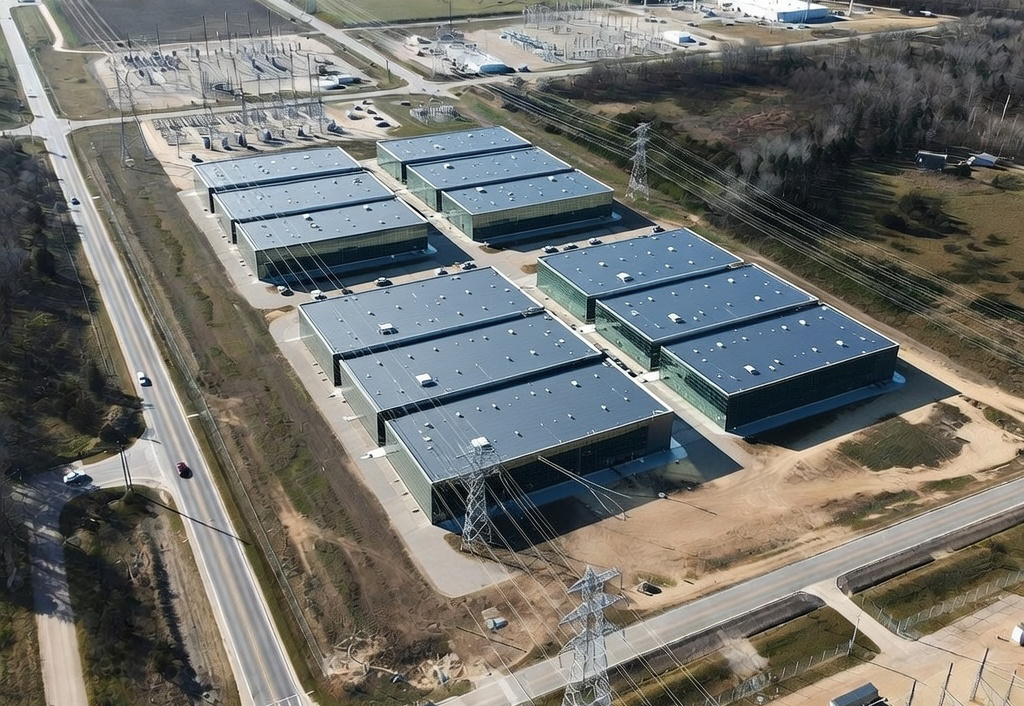
Can landowners lease land for AI data centers? Yes. Data center site leasing models allow landowners to participate without owning, financing or operating the infrastructure. The operator manages deployment, compliance, and operations while the land generates stable lease revenue tied to long-term AI compute demand rather than commodity markets.
Common lease features include:
Monetize land with data center projects by converting underused acreage into infrastructure-grade assets. Data center land lease opportunities are linked to AI and cloud growth rather than traditional commercial real estate demand.
Land leasing for data centers supports:
Land Leasing As A Strategic Infrastructure Opportunity
Land for data center development represents a durable, infrastructure-backed leasing strategy for property owners. By aligning site characteristics with modern AI and modular data center requirements, landowners can secure long-term leases, reduce vacancy exposure, and participate in the growth of digital infrastructure.
Explore data center site leasing opportunities by scheduling a land evaluation with Flux Core Data Systems to assess suitability, lease structure, and long-term potential.
Yes. Landowners can lease suitable sites under long-term agreements while operators manage permitting, construction, and operations.
Land with flexible zoning, adequate acreage, and access to power or renewable energy access is typically preferred.
Most leases run long term, often 15 to 30 years, to match infrastructure lifespan and revenue stability.